
What Is a Poker Analyzer Algorithm and Why It Matters
A poker analyzer algorithm is the computational core inside every modern poker analyzer device ??the software that takes raw barcode scan data from marked cards and converts it into actionable win-rate predictions within seconds. While most players focus on the hardware (the scanner camera, the earpiece, the disguised shell), the algorithm is what determines whether the information you receive is actually useful at the table.
According to a 2023 technical assessment published by the International Association of Gaming Regulators (IAGR), real-time odds calculation engines in electronic poker assistance devices have improved accuracy rates from approximately 78% in early models to over 96% in current-generation systems, largely due to advances in Monte Carlo simulation techniques and optimized hand-evaluation trees. Understanding how these algorithms work helps you choose the right device and interpret its output with confidence.
The Three-Step Process: Scan, Evaluate, Deliver
Every poker analyzer algorithm follows a three-stage pipeline from the moment a barcode marked card enters the scanner’s field of view to the moment you hear the result through your earpiece.
Stage 1: Barcode Decoding
The car key barcode poker scanning device (or any compatible scanner) captures the barcode pattern printed invisibly along the card edge. The algorithm’s first task is decoding this pattern into a card identifier ??suit and rank. This happens in under 50 milliseconds on modern devices. The decoding process uses edge-detection algorithms combined with a preloaded cipher table that maps each barcode pattern to a specific card in the deck. Different manufacturers use different cipher schemes, which is why a scanner from one brand may not read cards processed by another.
Stage 2: Hand Evaluation and Odds Calculation
Once all visible cards are identified, the algorithm runs a poker odds calculator routine. For Texas Hold’em, this means evaluating the player’s hole cards against the community cards (flop, turn, or river depending on the game stage) and computing the probability of winning against the remaining unknown hands.
Most modern analyzers use a hybrid approach:
- Enumerating outs: The algorithm counts how many remaining cards improve the player’s hand and calculates the exact probability of hitting those outs on subsequent streets.
- Monte Carlo simulation: For complex multi-way pots, the algorithm runs thousands of randomized simulations of remaining card distributions, averaging the results to produce a win-rate percentage.
- Precomputed equity tables: Common heads-up matchups (like AK vs QQ preflop) are stored in lookup tables for instant recall, bypassing the need for real-time calculation.
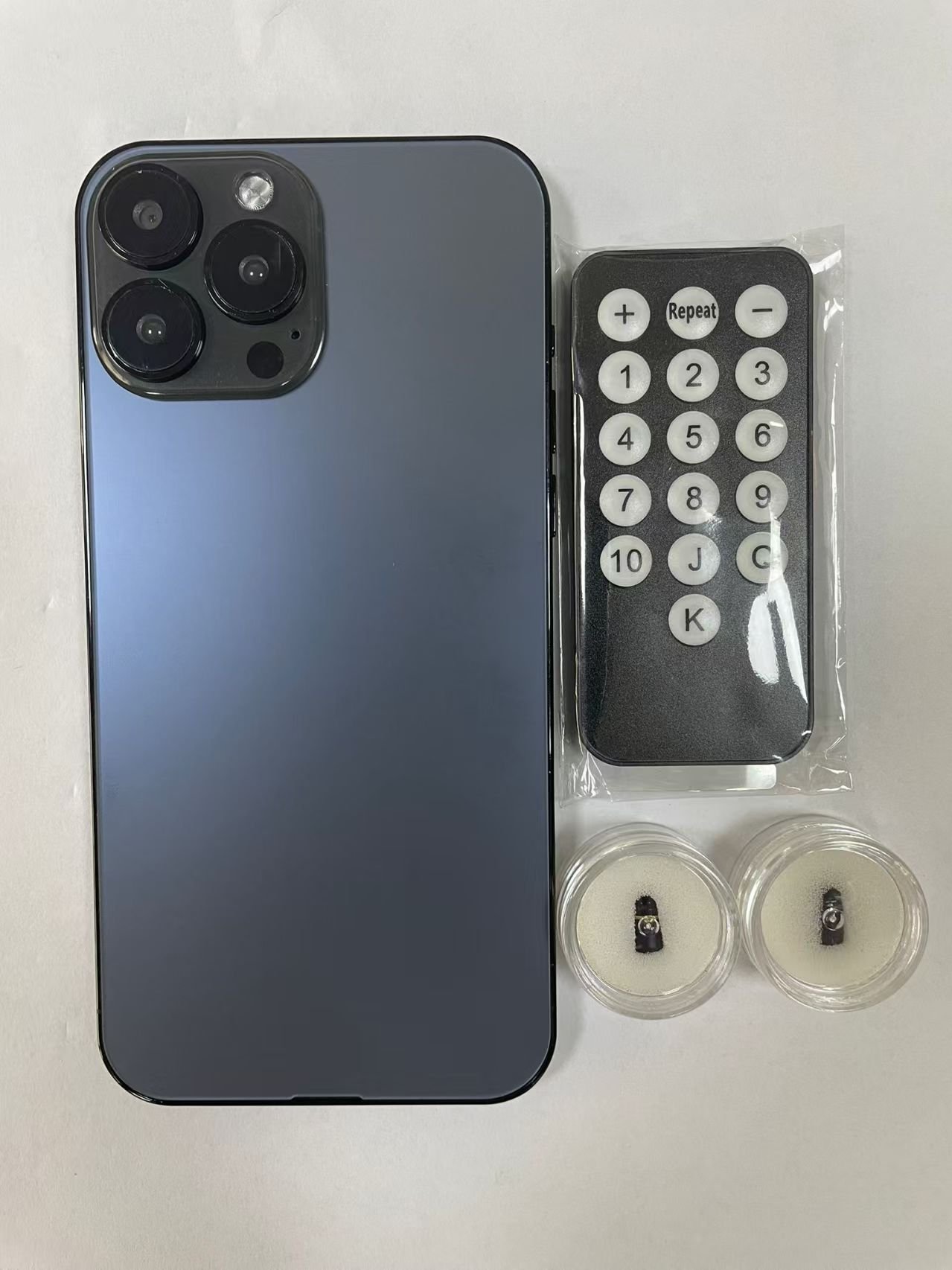
The CVK 680 poker cheat device exemplifies this hybrid approach, combining pre-flop equity tables with real-time Monte Carlo runs for post-flop scenarios, delivering results in under 1.5 seconds.
Stage 3: Output Delivery
The calculated result ??typically a rank (1st, 2nd, 3rd) or a win-rate percentage ??is transmitted wirelessly to a mini earpiece via Bluetooth. The algorithm also formats the output for speed: instead of sending a complex data packet, it maps the result to a simple audio code (number of beeps or a short voice clip) that the player can interpret instantly.
How Different Poker Variants Change the Algorithm
The poker analyzer algorithm must adapt significantly depending on the game being played. Texas Hold’em and Omaha require fundamentally different calculation engines.
Texas Hold’em Calculation
In Hold’em, each player has two hole cards. With up to five community cards visible, the algorithm evaluates a maximum of seven cards per player. The search space is manageable ??the algorithm can enumerate all possible remaining card combinations (1,712,304 river runouts from a 52-card deck after removing known cards) and compute exact equity in under a second on modern hardware.
Omaha Calculation Challenges
Omaha presents a much harder computational problem. Each player holds four hole cards but must use exactly two of them combined with three community cards. According to computational poker research from the University of Alberta’s Computer Poker Research Group, Omaha has approximately 60 times more hand combinations to evaluate compared to Hold’em at the same game stage. This means the algorithm must either run more aggressive Monte Carlo sampling or rely on precomputed equity estimates for common Omaha starting hands. The PK S708 poker analyzer device handles this by allocating more processing cycles to Omaha mode, extending calculation time to roughly 2 seconds while maintaining above 94% accuracy.
Key Algorithm Components Explained
Hand Ranking Engine
The foundation of any poker analyzer algorithm is a fast hand-ranking function. Given any set of five to seven cards, the engine must determine the best five-card poker hand and assign it a numerical rank for comparison. Most modern analyzers use a optimized version of the Cactus Kev evaluator or a lookup-table approach that maps each card combination to a pre-ranked index, reducing evaluation time to microseconds.
Equity Calculator
The equity calculator takes the hand rankings and determines the probability of each player winning. For heads-up pots, this is straightforward: compare the player’s hand against every possible opponent hand. For multi-way pots, the algorithm samples random opponent holdings using the Monte Carlo method, typically running 5,000 to 25,000 simulations depending on the device’s processing power.
Game State Tracker
The algorithm maintains a running model of the game state: which cards have been scanned, which street the game is on, and how many opponents remain. This context ensures that the odds calculation is always based on the most current information available. As new cards are scanned (for example, when the flop is dealt), the algorithm automatically recalculates equity with the updated board.
Accuracy Factors: What Affects Calculation Precision
Even the best poker analyzer algorithm operates within certain constraints that affect accuracy.

Scanner Read Reliability
If the poker camera scanner fails to read a card’s barcode correctly, the algorithm runs on incomplete data. A single misread card can shift the win-rate calculation by 15-25 percentage points. This is why scanner placement and reading distance matter ??as discussed in our guide to poker scanner camera placement, the optimal scanning distance for most devices is 20-35 cm with a direct line of sight.
Number of Monte Carlo Simulations
The trade-off between speed and accuracy is governed by the simulation count. Running 5,000 simulations produces results within approximately ?3% of true equity. Bumping to 25,000 simulations tightens the margin to ?1.5% but adds roughly 0.8 seconds of processing time. Budget analyzers often cap at 3,000-5,000 simulations, while premium devices like those in the poker analyzer collection offer configurable simulation depths.
Opponent Modeling Limitations
The standard algorithm calculates against random opponent holdings ??it does not model opponent tendencies, bluffing frequencies, or positional play. This means the win-rate output represents raw equity against a random hand distribution, not against how specific opponents actually play. Skilled players must still combine the algorithmic output with their own reads and table awareness, a concept we explored in our article on setting up a poker analyzer system.
Comparing Algorithm Performance Across Popular Devices
Not all poker analyzers use the same algorithm implementation. Here is how the major device categories differ:
| Device Category | Calculation Method | Speed | Accuracy |
|---|---|---|---|
| Basic single-game analyzers | Enumerated outs only | <0.5s | 85-88% |
| Mid-range multi-game devices | Hybrid (tables + Monte Carlo) | 1-2s | 92-95% |
| Premium analyzers (CVK/A1 series) | Full Monte Carlo + equity tables | 1.5-2.5s | 95-97% |
The barcode marked cards collection is designed to work seamlessly with mid-range and premium analyzers, ensuring clean barcode reads that feed accurate data into the algorithm.
Frequently Asked Questions
How does a poker analyzer algorithm calculate odds in real time?
A poker analyzer algorithm calculates odds by first decoding barcode data from scanned cards, then running a combination of precomputed equity lookups and Monte Carlo simulations to determine win probability. The result is transmitted to the player via a wireless earpiece, typically within 1-2.5 seconds of the card being scanned.
Is a poker analyzer algorithm accurate for Omaha games?
A poker analyzer algorithm achieves approximately 94% accuracy for Omaha games when running on premium devices that allocate sufficient Monte Carlo simulations. Omaha’s four-hole-card structure creates roughly 60 times more hand combinations than Texas Hold’em, requiring more processing time or larger precomputed equity tables to maintain accuracy.
What affects the calculation speed of a poker odds calculator?
The calculation speed of a poker odds calculator is affected by three factors: the number of visible cards to evaluate, the Monte Carlo simulation count (higher counts improve accuracy but slow delivery), and the device’s processor speed. Premium analyzers balance these factors to deliver 95%+ accuracy within 2 seconds.
Can a poker analyzer algorithm account for opponent playing styles?
No, standard poker analyzer algorithms calculate raw equity against random opponent holdings and do not model individual playing styles, bluff frequencies, or positional tendencies. The win-rate output represents mathematical probability only, and players must still apply their own strategic judgment at the table.