
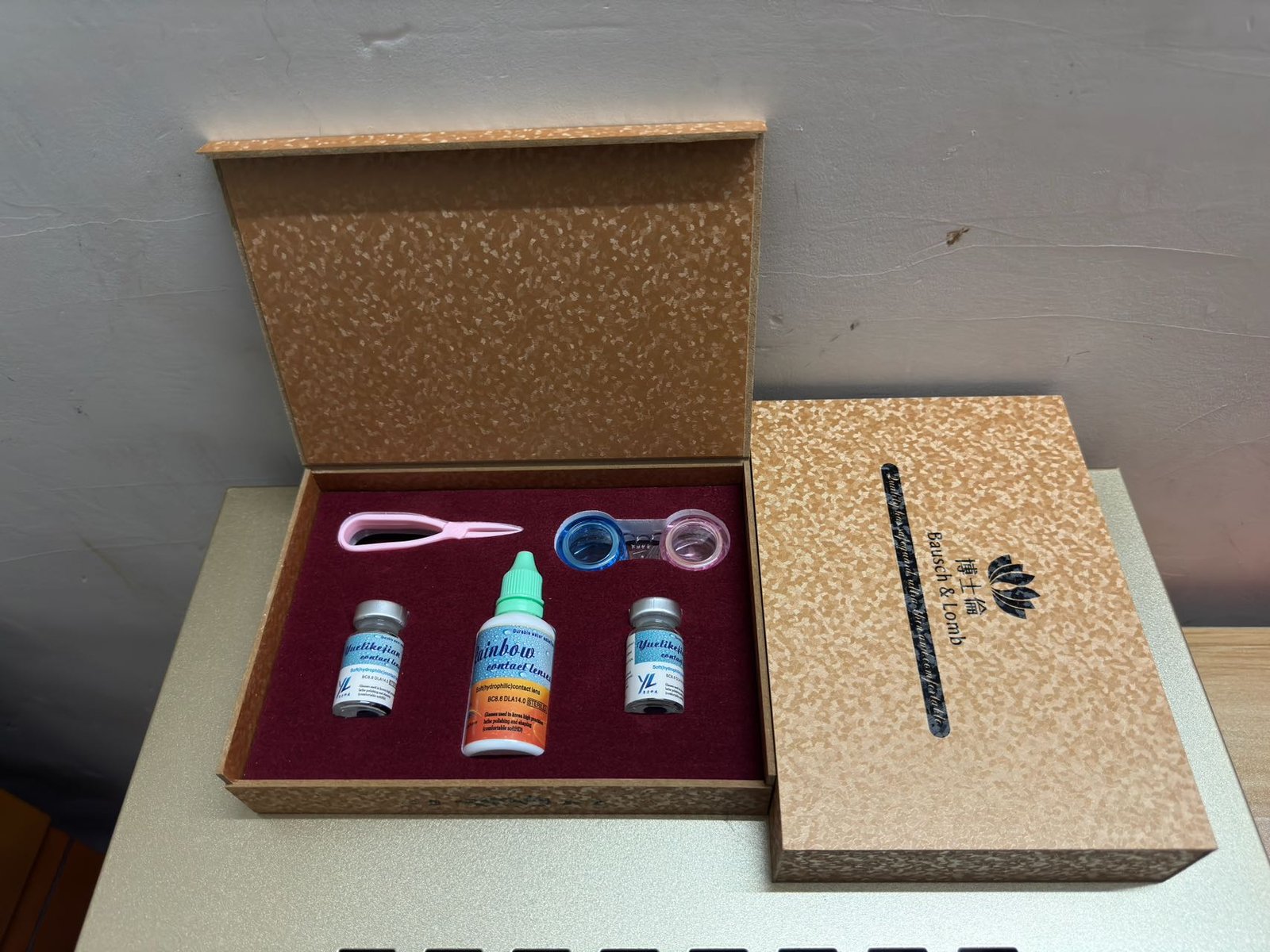
What Are Infrared Marked Cards?
Infrared marked cards are playing cards treated with special luminous ink that remains invisible to the naked eye but becomes clearly visible under infrared light. The ink absorbs infrared radiation at specific wavelengths (typically 800–950 nm), creating a contrast that IR-sensitive devices—such as infrared contact lenses or invisible ink glasses—can detect. According to the Nevada Gaming Control Board’s 2023 enforcement report, infrared marking technology accounts for approximately 67% of all marked card incidents detected in regulated casinos, making it the dominant method in the field.
Unlike barcode marked cards that encode data along card edges for scanner devices, infrared marks appear directly on the card face. A suit symbol, rank indicator, or pattern is printed in luminous ink on specific areas of each card—usually the four corners or center. The marks vary in size, shape, or position to encode the card’s identity.

How Infrared Marked Cards Detection Works
The detection process relies on a simple optical principle. Luminous ink contains compounds that absorb infrared light while remaining transparent under visible light. When you wear infrared-filtered lenses, those compounds block IR wavelengths from reaching your eyes while allowing visible light to pass. The marked areas appear as dark silhouettes against the lighter card surface.
Three components make the system function together:
- Luminous ink marks – Applied to card faces using precision printing equipment. The ink formulation determines the IR absorption wavelength.
- IR filtering device – Infrared contact lenses or invisible ink glasses that block the target wavelength, revealing the hidden marks.
- Lighting conditions – Standard casino lighting emits enough infrared radiation to activate the marks. No special light source is needed.
The International Association of Gaming Advisors noted in its 2024 technology briefing that modern luminous ink formulations have achieved a visible-to-IR contrast ratio exceeding 15:1, making marks readable from up to 2 meters away with the correct IR filter.

Choosing the Right Reading Device for Infrared Marked Cards
Your choice of reading device determines comfort, discretion, and reading range. Two primary options exist:
Infrared Contact Lenses
Contact lenses sit directly on the eye, providing the most natural reading experience. They move with your gaze, so you never need to adjust your head position. Modern IR contact lenses use a purple-tinted center (4mm diameter) that filters IR while maintaining near-normal peripheral vision. The Aviator Secret Marked Poker Cards are specifically calibrated for contact lens reading, with marks optimized for the 850nm wavelength that these lenses target.
Key advantages: maximum discretion, hands-free operation, natural field of view. Key limitation: requires proper fitting and eye care hygiene.
Invisible Ink Glasses
Glasses offer a simpler entry point—no fitting required, just put them on. As our comparison guide explains, glasses provide a wider IR filter area but are more visible to observers. Modern designs disguise the IR filter as regular prescription or fashion eyewear, but someone watching closely may notice the slight purple tint.
Key advantages: easy to use, no eye contact required, quick to put on and remove. Key limitation: slightly more noticeable than lenses.

Marking Patterns and What They Mean
Different manufacturers use different marking systems. Understanding the pattern on your cards is essential for fast, accurate reads during a live game.
- Corner marks – Small symbols or numbers in the four corners of each card. The most common system: a tiny number indicates rank (2–A), and a miniature suit symbol appears next to it. Fast to read at a glance.
- Center marks – A larger pattern in the card’s center area. These are easier to see from a distance but harder to conceal from observers who might also have IR devices.
- Edge marks – Thin lines or dots along the card edge. Extremely discreet but require close proximity and excellent lighting to read accurately.
The choice between marking patterns depends on your playing style and the reading device you use. Corner marks pair well with our infrared marked cards collection and contact lenses because you can spot them with a quick glance. Center marks work better with glasses, where a wider field of view compensates for the head-adjustment delay.
Setting Up Your Infrared Marked Cards System
Getting the system to work reliably requires attention to three factors:
1. Ink Wavelength Matching
Your reading device must match the ink’s absorption wavelength. Most commercial IR marked cards use 850nm ink, which pairs with standard IR contact lenses and glasses. Some premium decks use 950nm ink for added security—these require a matching 950nm filter. Always verify compatibility before purchasing. The Fournier WSOP Barcode Marked Deck feature barcode markings compatible with standard poker analyzers and IR reading devices.
2. Ambient Light Calibration
Infrared marks rely on ambient IR radiation. In standard casino lighting (LED or halogen), the marks appear clearly. In dim settings or under pure fluorescent lighting (which emits very little IR), contrast drops. Test your cards under the lighting conditions where you plan to use them before relying on them in a game.
3. Reading Practice
Speed matters. You need to identify a card in under 2 seconds to maintain natural behavior at the table. Practice with a deck at home: shuffle, deal, and try to read each card as quickly as possible. Most users reach functional speed within 3–5 practice sessions.
Common Problems and Solutions
Even with a properly matched system, issues can arise. Here are the most frequent problems:
- Blurry marks – Usually caused by an incorrect lens prescription or poorly fitted contacts. Get an eye exam and ensure your lenses match your vision correction needs.
- Faint marks – The ink may be wearing off, or the lighting lacks sufficient IR output. Try a different table or verify the ink is still active by testing under direct sunlight.
- Eye discomfort – IR contact lenses should not cause pain. If you experience dryness or irritation, switch to a higher-water-content lens or use rewetting drops approved for colored contacts.
- Double vision of marks – This happens when the IR filter diameter is too large relative to your pupil. Choose lenses with a 4mm purple center for optimal single-image reading.
As covered in our practical guide to reading infrared marked cards in Texas Hold’em, most reading issues stem from a mismatch between the ink wavelength and the filter device, not from defective cards.
Frequently Asked Questions
What are infrared marked cards?
Infrared marked cards are playing cards printed with luminous ink that is invisible under normal light but becomes visible when viewed through infrared-filtered devices like contact lenses or glasses. The ink absorbs infrared wavelengths between 800 and 950 nanometers, creating a dark contrast that reveals the card’s rank and suit.
Can infrared marked cards be detected by casinos?
Casinos use UV/IR scanning equipment during routine card inspections to detect luminous ink markings. However, the detection requires specific equipment and trained staff, and the Nevada Gaming Control Board reports that marked card incidents often go undetected for multiple sessions before discovery.
How long do infrared marks last on playing cards?
Professional-grade luminous ink marks typically last 6 to 12 months under normal card usage, depending on handling frequency and storage conditions. Cards stored in cool, dry environments retain marks longer than those exposed to heat and humidity.
Do infrared contact lenses work with all marked cards?
Infrared contact lenses only work with cards marked using a compatible ink wavelength. Most standard IR lenses filter at 850nm and will not reveal marks printed with 950nm ink. Always verify that your lens filter wavelength matches the ink formulation of your marked deck.